Arabic · Letters and reading
Arabic Letter Beads
Thread the first ten Arabic letters in alphabet order and learn their names.
Play Arabic Letter Beads More Arabic games
- Ages 5 to 14
- Plays in the browser
About Arabic Letter Beads
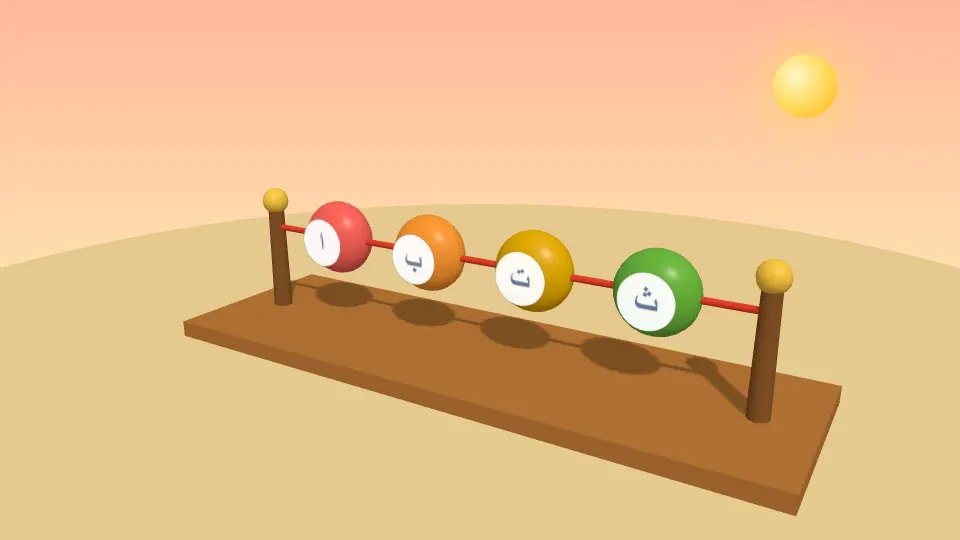
Arabic Letter Beads is an Arabic alphabet game for Muslim children aged 5 to 14. Children thread the first ten Arabic letters on a 3D string, in alphabet order.
They learn the names of the letters, from alif to ra, with simple comparisons to English sounds. Some sounds, such as the throat letters, are best learned from a teacher.
How to play
- Pick a letter bead from the tray.
- Thread the letters on the string in alphabet order, starting with alif.
- Learn the name of each letter as you go.
Three levels, one game
Thread the first Arabic letters on a string of beads.
Thread the first ten Arabic letters, in order.
Finish the string of the first ten Arabic letters.
Questions about Arabic Letter Beads
Which Arabic letters are in Arabic Letter Beads?
The game uses the first ten letters of the Arabic alphabet, from alif to ra, in alphabet order. Each letter is shown on its own.
#Does Arabic Letter Beads teach how the letters sound?
It gives simple English comparisons for the sound of each letter. Some sounds, such as those from the throat, are hard to show in English, so a teacher should model them.
#Does the game show the Quran?
No. The game shows only the ten isolated letters, not Quran verses or words.
#Does Arabic Letter Beads cost anything to play?
Every game on this site can be played without paying. Arabic Letter Beads runs in any modern web browser on phones, tablets, Chromebooks and computers, so there is nothing to download.
#More games like Arabic Letter Beads
Islamic Emoji Words
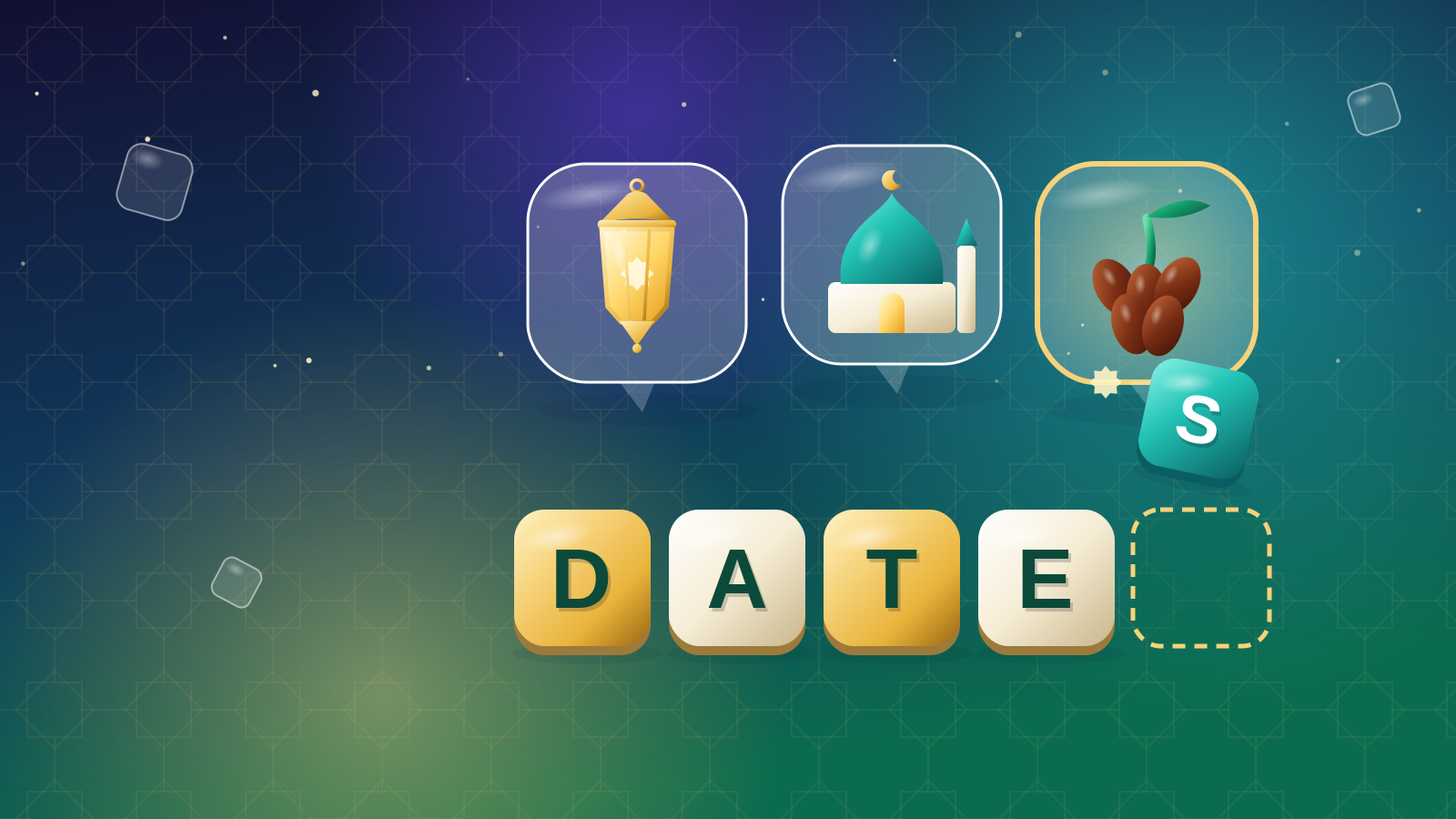
Read the picture clues and spell Islamic words.
Ages 6 to 12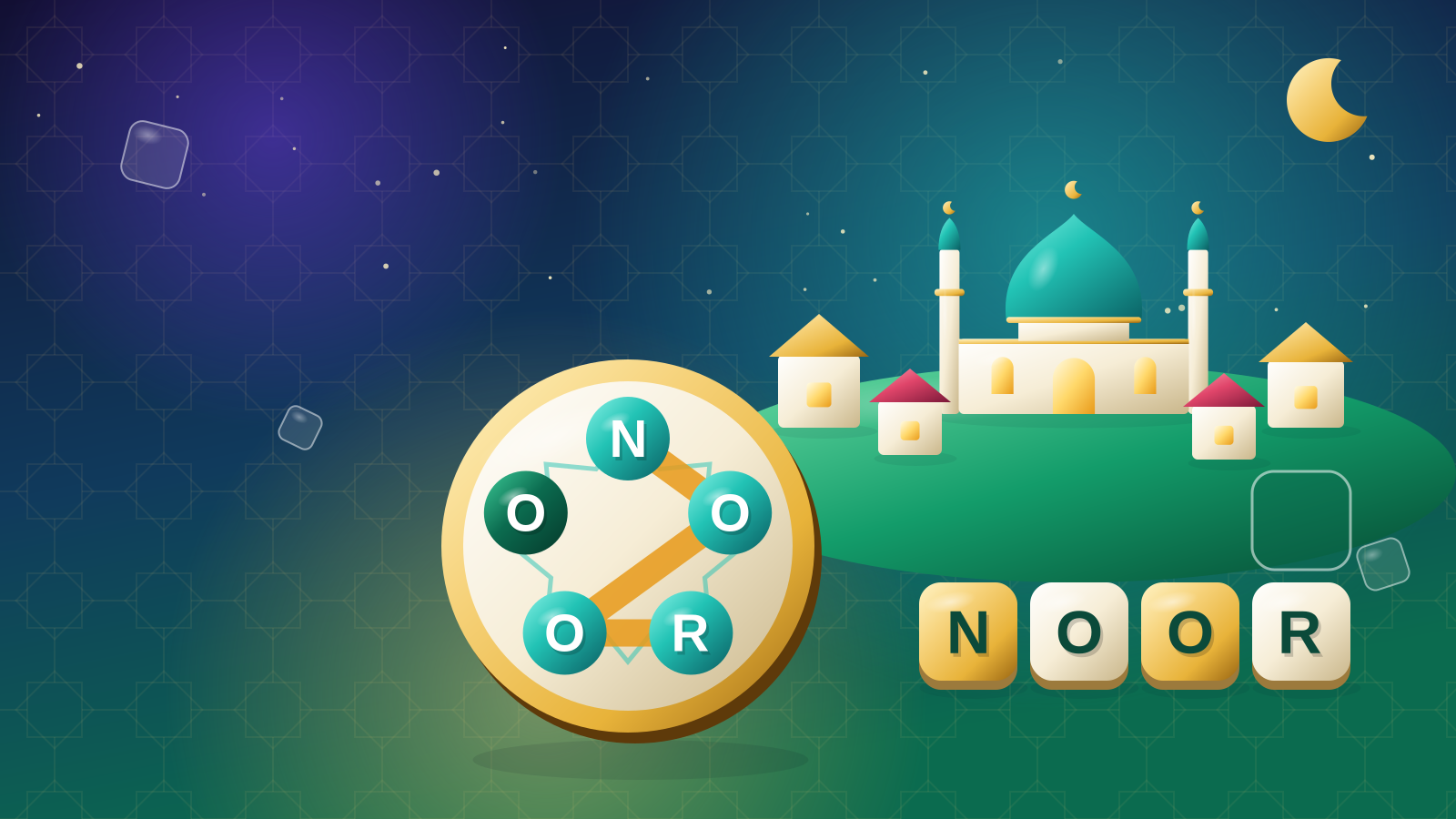
Word Town
Swipe the letter wheel to fill the crossword and build a Muslim town.
Ages 7 to 12
Huruf Garden
Grow a garden of Arabic letters, harakat and first syllables.
Ages 5 to 14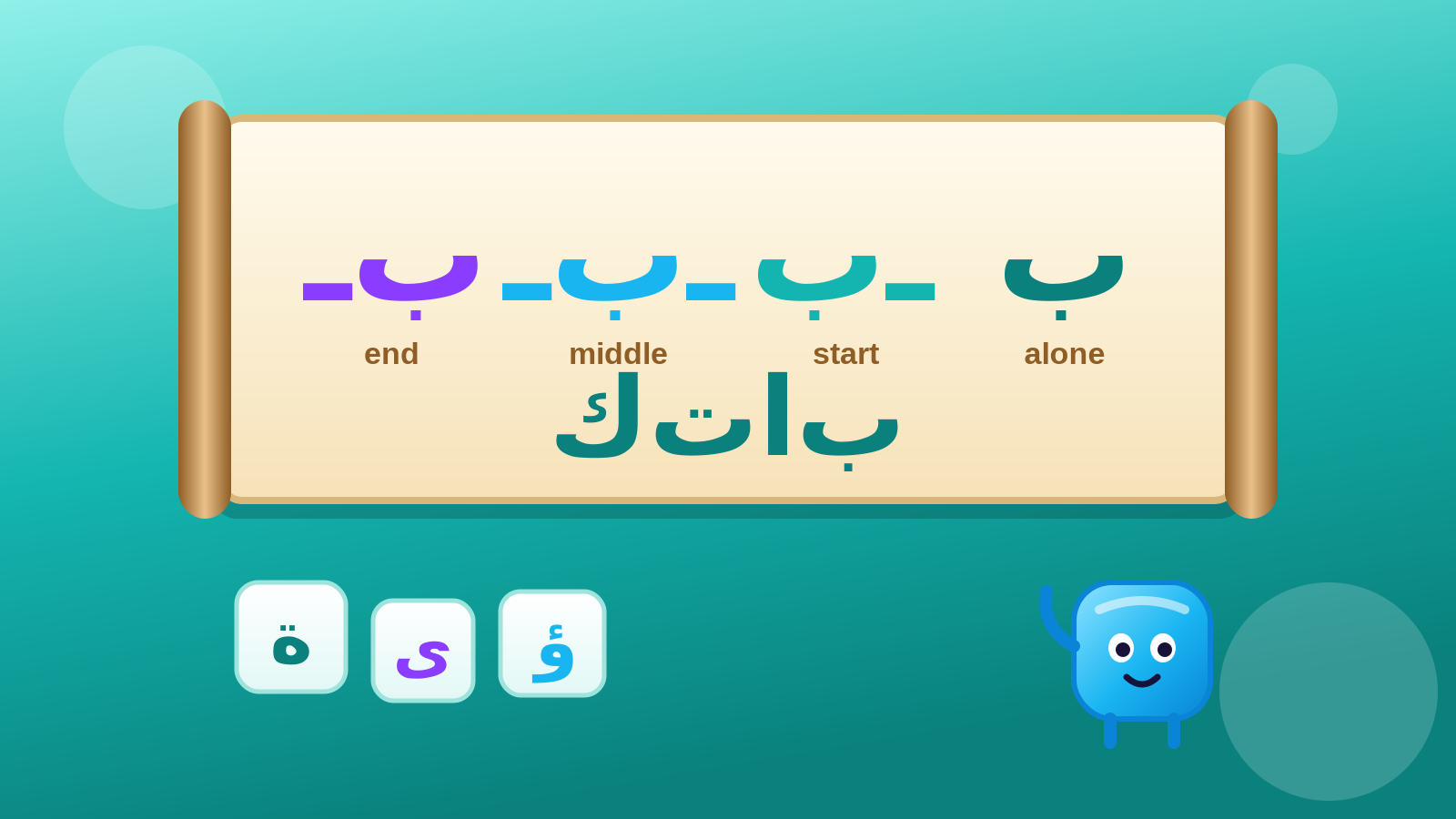
Letter Shapes
See how Arabic letters change shape as they join, find the six that never join, and build real words.
Ages 5 to 14
Arabic Letter Beads 2
Thread the middle Arabic letters, from zay to ghayn, on a 3D string in alphabet order and learn their names.
Ages 5 to 14
Arabic Letter Beads 3
Thread the last Arabic letters, from fa to ya, on a 3D string in alphabet order and learn their names.
Ages 5 to 14
Questions, or a game idea?
Tell us what your child, class or community would like to learn next, or point out anything in a game that needs correcting.